
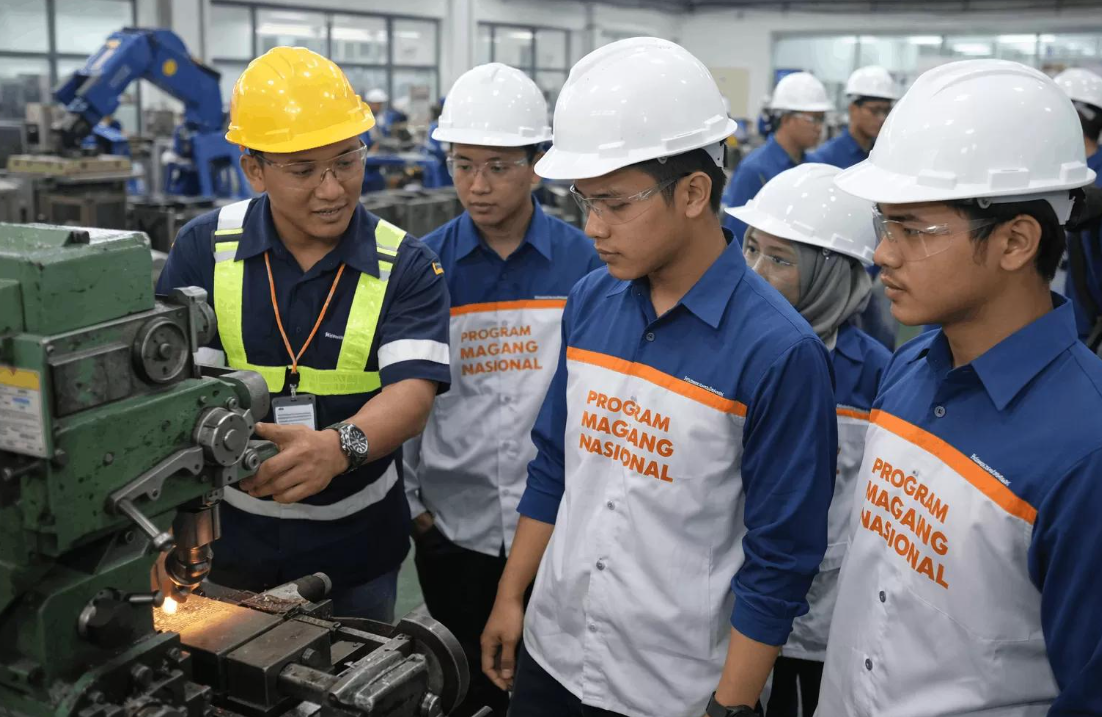
SURABAYA – Changes in technology, customer expectations, and business operations continue to influence the skills employers seek. Vocational education is designed to connect academic learning with practical application, making it important for programmes to remain responsive to developments in the workplace.
Technical competence remains central to many vocational professions. Depending on the field, students may need to operate specialised equipment, follow standard procedures, interpret information, or use industry-specific software. These abilities help graduates perform tasks accurately and understand the quality standards expected in professional settings.
Employers also value transferable skills. Communication, teamwork, problem-solving, time management, and adaptability can affect how effectively an employee works with colleagues and responds to unexpected challenges. Even a technically capable worker needs to explain decisions clearly, receive feedback, and coordinate with others.
Practice-based learning can help students develop both types of competence. Laboratory work, simulations, projects, internships, and workplace exposure allow students to connect classroom concepts with practical demands. These experiences can also help students identify areas in which they need additional training before graduation.
Collaboration between universities and industry can provide useful feedback about changing workforce requirements. Industry partners may contribute through guest lectures, curriculum discussions, work placements, joint projects, or assessments of student performance. Such cooperation is most useful when it has clear learning objectives and is reviewed regularly.
Students also have a role in preparing for employment. They can seek practical experience, develop a portfolio of relevant work, improve professional communication, and learn about the expectations of their chosen sector. Career preparation is more effective when it begins before the final semester rather than only after graduation.
A strong vocational education system therefore requires ongoing dialogue among students, lecturers, graduates, and employers. By combining technical expertise with transferable skills, graduates can be better prepared to adapt as professional roles evolve.





Leave a Reply