
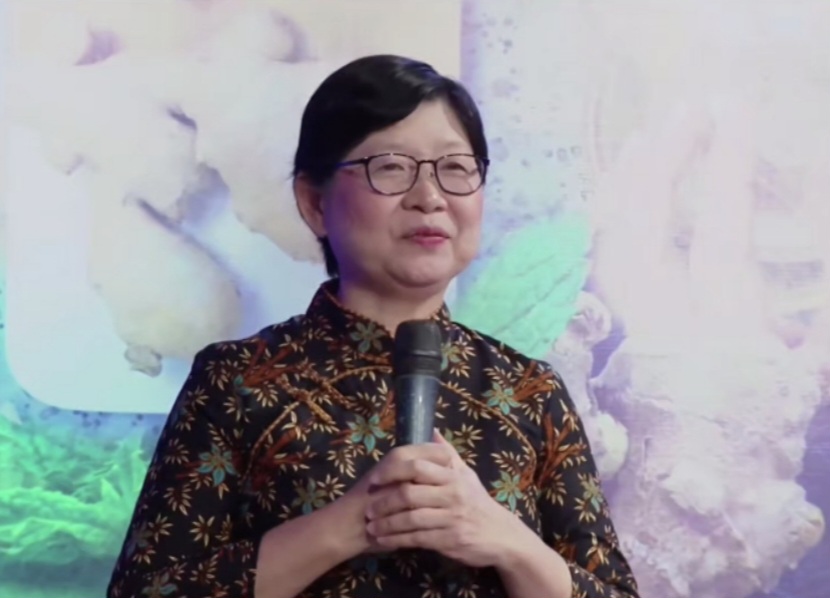
SURABAYA, October 25, 2026 – A lecturer from the Traditional Medicine (D4 Pengobatan Tradisional) Study Program, Faculty of Vocational Studies, Universitas Airlangga (UNAIR), Dr. Maya Septriana, emphasized that the use of herbal remedies should prioritize safety and scientific evidence. She highlighted that traditional herbal products should serve as complementary support for health rather than replace medical examinations or prescribed treatments.
Indonesia is widely recognized for its rich diversity of medicinal plants, including ginger, turmeric, Java turmeric (temulawak), and aromatic ginger (kencur). These ingredients have been used for generations as part of traditional health practices. However, their utilization must be guided by an understanding of their benefits, appropriate applications, and safety limitations.
According to Dr. Maya, herbal remedies offer several benefits, particularly in supporting daily wellness, preserving traditional knowledge, and promoting a greater understanding of natural health resources. Nevertheless, their use must be accompanied by responsible practices and a clear distinction between maintaining general health and treating medical conditions.
“Herbal remedies are most beneficial when positioned as a complement, not a shortcut,” she explained.
She further illustrated that consuming traditional herbal drinks to support daily stamina is an example of appropriate utilization. However, herbal consumption should never be considered a substitute for medication prescribed by healthcare professionals.
Dr. Maya also highlighted the importance of integrating herbal practices into a healthy lifestyle. Adequate sleep, regular physical activity, and balanced nutrition remain essential components of maintaining overall well-being. Meanwhile, persistent or severe health complaints require proper medical examinations, diagnoses, and professional treatment.
She also encouraged the public to be more critical of excessive health claims, particularly products that promise to cure various diseases without sufficient scientific evidence. Consumers should always question the credibility and safety of such claims before using herbal products.
To promote safer herbal consumption, Dr. Maya outlined five important steps that the public should follow.
First, consumers must ensure the correct identification of the herbal ingredients being used. Second, they should select products that have obtained distribution permits from Indonesia’s Food and Drug Authority (BPOM). Third, users must follow the recommended dosage and instructions for use. Fourth, proper hygiene must be maintained throughout the preparation, processing, and storage of herbal ingredients. Finally, individuals who are taking medication, pregnant, or living with chronic conditions should consult healthcare professionals before consuming herbal products.
In addition, Dr. Maya reminded the public to recognize medical warning signs that require immediate professional attention. These include shortness of breath, chest pain, loss of consciousness, high fever, bleeding, and severe vomiting or diarrhea. Any worsening symptoms following the consumption of herbal preparations should also be taken seriously.
She strongly advised individuals not to discontinue prescribed medication without consulting a healthcare professional.
Beyond individual responsibility, Dr. Maya emphasized that ensuring the safe and effective use of herbal products requires collaboration among various stakeholders. The government plays an important role in regulation, supervision, and the preservation of traditional medicinal resources. Academic institutions contribute through evidence-based research, while the industry is expected to ensure responsible product development and comply with Good Traditional Medicine Manufacturing Practices (CPOTB).
Healthcare professionals also have an essential responsibility to assess the safety of herbal consumption and identify potential interactions between herbal ingredients and prescribed medications. Meanwhile, the media and wider community are expected to strengthen public health literacy by providing accurate and reliable information.
“Better health is a shared responsibility,” she stated.
Dr. Maya further highlighted the strategic role of higher education institutions in bridging traditional knowledge with scientific validation. Through education, research, and responsible professional practices, universities can help ensure that Indonesia’s rich herbal resources are developed and utilized safely.
Her message reinforces the importance of balancing the preservation of traditional medicine with modern medical knowledge. By promoting evidence-based practices and responsible consumption, herbal remedies can continue to contribute to public wellness without compromising the importance of professional medical treatment.
Ultimately, traditional herbal medicine and modern healthcare should not be viewed as competing alternatives. Instead, their roles must be understood within appropriate boundaries, with public safety and scientific evidence remaining the primary considerations.





Leave a Reply