
SURABAYA – Technological developments are influencing many aspects of dental healthcare, including the design and production of devices used in treatment. Digital tools can support certain laboratory processes, creating a need for professionals who understand both technical procedures and the principles of quality and safety.
Depending on the application, digital workflows may involve scanning, computer-aided design, and equipment used to produce dental components. The suitability of a method depends on the type of device, clinical requirements, materials, and applicable professional standards. Technology is therefore best understood as part of a wider process rather than a replacement for professional expertise.
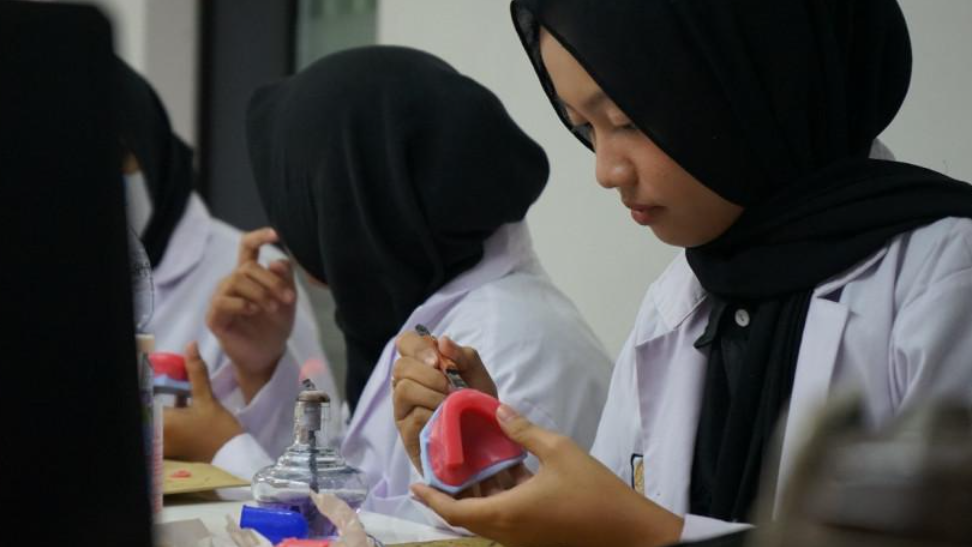
Training in dental technology requires careful attention to detail. Students need to understand material properties, measurements, fitting requirements, equipment operation, and quality control. Practical learning can help them develop the precision required for work that supports patient care.
Communication and teamwork are also important. Dental laboratory professionals may need to coordinate with dentists and other relevant practitioners to clarify specifications and ensure that work meets the required requirements. Clear documentation and adherence to procedures can help reduce errors and improve consistency.
Safety and hygiene are essential throughout laboratory work. Students must learn to follow appropriate procedures for handling materials, maintaining equipment, managing waste, and protecting themselves and others in the workplace. These practices support both product quality and a safe working environment.
As digital technology evolves, professionals may need to update their skills through continued learning and exposure to new methods. Education providers can help students develop a foundation that allows them to learn new systems while retaining a strong understanding of core technical principles.





Leave a Reply