
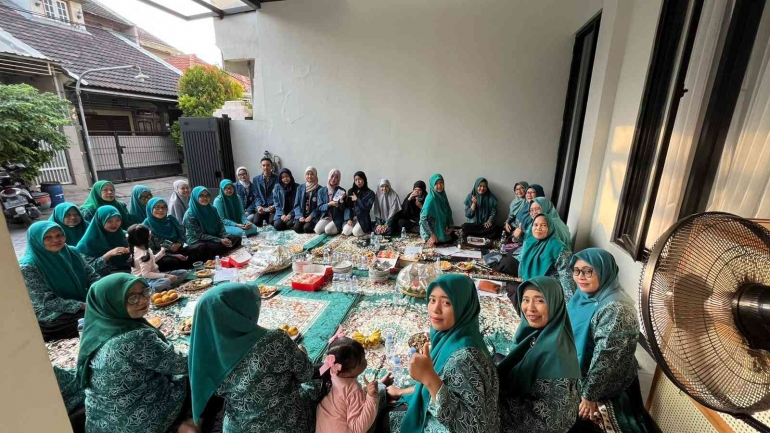
GRESIK – Students from the Diploma III Nursing Program, Faculty of Vocational Studies, Universitas Airlangga (UNAIR), conducted a health education program on the use of butterfly pea flowers as a herbal complementary therapy. The initiative targeted women in Yosowilangun Village, Manyar District, Gresik Regency.
The educational session took place in the Belitung VIII residential area, GKB, on Sunday, October 4, 2026, at 3:30 p.m. Western Indonesian Time (WIB).
Through this initiative, the nursing students encouraged participants to utilize herbal plants responsibly and with proper knowledge. The materials covered not only the potential benefits of butterfly pea flowers but also precautions regarding their use, particularly for individuals with a history of blood pressure problems.
The Nutritional Compounds and Potential Benefits of Butterfly Pea Flowers
Butterfly pea flower (Clitoria ternatea L.) is a climbing plant belonging to the Fabaceae family that is commonly found and cultivated in tropical regions. Its distinctive blue color comes from anthocyanin pigments. The flower also contains flavonoids and phenolic compounds, which contribute to its antioxidant properties.
During the session, students explained that butterfly pea flower tea may serve as a complementary addition to a healthy lifestyle, including efforts to maintain healthy blood pressure. However, they emphasized that consuming the tea does not replace prescribed medication or medical treatment.
This distinction was highlighted to help participants understand the appropriate role of herbal ingredients in supporting health without overlooking professional medical care.
Demonstration of Butterfly Pea Flower Tea Preparation
As part of the educational program, students demonstrated how to prepare butterfly pea flower tea. The flowers must first be dried before being used.
The demonstration involved steeping approximately 2 grams of dried butterfly pea flowers in 200 milliliters of hot water at around 90 degrees Celsius for 10 minutes. The tea was then strained before serving.
Students also explained the dosage and consumption schedule referenced in the research, which involved drinking the tea once daily in the morning after meals. However, they clarified that these guidelines were based on a particular research reference and should not be considered a universal therapeutic recommendation for everyone.
Leaflets Provide Practical Health Information for Home Use
To reinforce the information presented during the session, each participant received an educational leaflet containing details about the compounds, potential benefits, preparation methods, and recommended measurements for butterfly pea flower tea.
Participants also received tea samples to try at home. The leaflets were intended to serve as practical reference materials, allowing participants to review the information and preparation instructions after the educational session.
Through these materials, the students hoped to make health information more accessible and easier to apply in everyday life.
Interactive Question-and-Answer Session Encourages Participation
The program also featured an interactive question-and-answer session, giving participants the opportunity to ask questions about topics they had not fully understood.
The presenters responded to participants’ questions and provided additional explanations regarding the use of butterfly pea flowers as a complementary herbal ingredient.
This interactive approach encouraged active participation and created an opportunity for participants to gain a better understanding of the information presented.
Promoting Responsible Use of Herbal Plants for Better Health Awareness
Through this initiative, UNAIR nursing students hope that women in Yosowilangun Village will gain a better understanding of how to use butterfly pea flowers responsibly while recognizing the importance of consulting healthcare professionals when experiencing health complaints.
The program also aimed to broaden public knowledge about the potential of butterfly pea flowers, which are commonly grown as ornamental plants, as a natural ingredient that can be explored for health-related purposes.
By combining health education, practical demonstrations, and accessible learning materials, the initiative is expected to encourage informed decision-making and promote healthier lifestyle habits within the community.


Leave a Reply